
Department and Workforce Assessments for Tribal Governments
An honest, written picture of how a department is really working, with findings for Council and recommendations the director can carry out.
Built for Indian Country, by leaders who have served Tribal Nations.
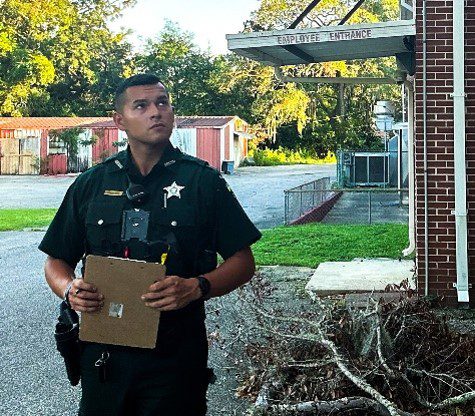
Answers You Cannot Get From the Office
An organizational assessment answers the questions a tribal administrator cannot ask from the office: Is the department structured for what it is being asked to do? Are the right people in the right roles? Where is the work actually breaking down? What should be fixed first, and what will it cost?
NPKCG assesses single departments, groups of departments, and whole executive offices. The method is behaviorally anchored: staff and leaders are rated against specific, observable behaviors for their role, not against opinions. That is what makes the findings defensible when they reach Council and useful when they reach the director.
What Is Assessed
- Structure, reporting lines, and span of control
- Leadership alignment and communication between the director, supervisors, and staff
- Workforce capability against the behaviors each role requires
- Processes, workflow, and the places work stalls
- Accountability systems and whether they are used
- Training needs, by role, with a budget framework
What an Engagement Looks Like
- Scoping conversation at no cost, then a written scope naming the departments, the team, the timeline, and the fee.
- Document review: organizational charts, job descriptions, policies, budgets, and any prior assessments.
- On site: structured interviews with the director, supervisors, and staff; observation of the work; input from the officials and programs the department serves.
- Deliverables, by department: an individual department report, an advisory memo for the director, and an executive brief for the administrator or Council.
- For multi department engagements: a cross department synthesis that shows the patterns, and a preliminary training and development budget framework tied to the findings.
- Briefing to the executive office or Council, in person.
Who Does the Work
Assessments are led by Dr. William R. Latchford, DCJ, who built and ran departments for a tribal government for 32 years and developed NPKCG’s behaviorally anchored assessment method, with assessors who have directed tribal programs in the areas being assessed.
Who NPKCG supports: tribal executive offices and administrators; department directors who want an outside look before a reorganization; Councils that need a defensible basis for a staffing or budget decision; housing authorities, public safety departments, and tribal enterprises.
Work Like This
For a tribal government’s executive operations office, NPKCG assessed fourteen departments in a single engagement, delivering an individual report, advisory memo, and executive brief for each, then a cross department synthesis and a training and development budget framework the office used to build the following fiscal year’s training calendar.
Questions We Hear on Every Call
Is this a performance evaluation of my staff? No. It is an assessment of the department and of what each role needs. Individual findings go to the director, not to Council, and the report is written so no one is singled out.
What do we actually receive? Written reports you own, in plain language, with a prioritized list of what to fix first. Not a slide deck.
What happens after? Most assessments lead to one of three things: a strategic plan, targeted training through the Peacekeeper Leadership Institute, or leadership advisory for the director. NPKCG can do all three, and will say when none of them is needed.
Start With a Conversation
Call (954) 444-0972 or send a note. Tell us which departments and what is driving the request. You will get a written scope, not a sales call.